Get To Know Your Spine
"90% of the stimulation and nutrition to the brain is generated by spinal movement"
Dr Roger Sperry
Your spine is the central pillar of your body. It supports your every movement, protects your delicate nervous system, and plays a vital role in your overall health and wellbeing. Understanding how your spine functions is the first step towards maintaining excellent musculoskeletal health and preventing future discomfort.
The Anatomy of Your Spine
The human spine is a complex and highly specialised structure made up of individual bones called vertebrae. It is divided into distinct regions, each serving a unique clinical purpose.
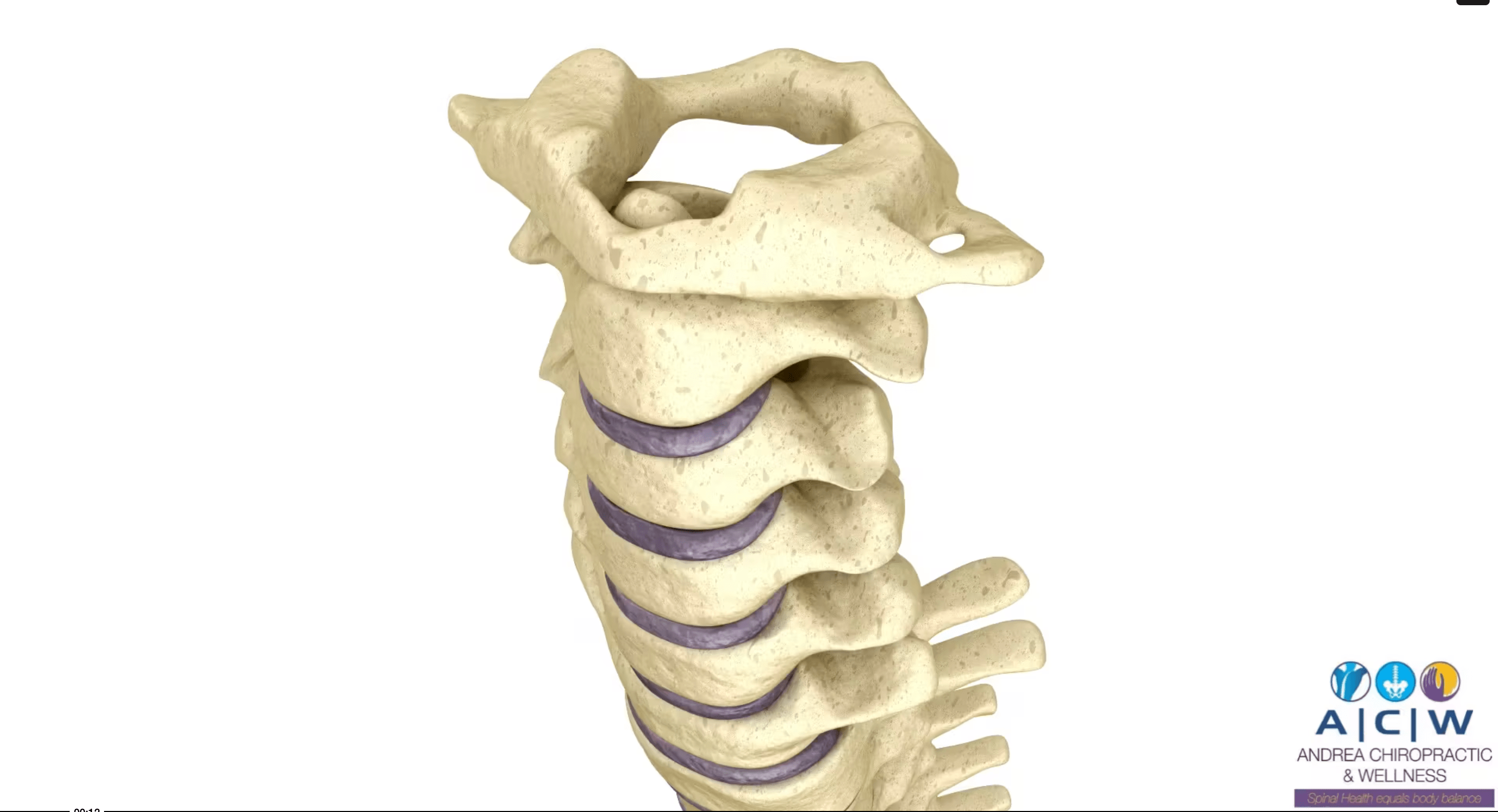
- Cervical Spine (Neck): Comprising seven vertebrae, this highly mobile section supports the weight of your head and allows for a wide range of motion. It is particularly susceptible to postural strain from prolonged desk work or device usage.
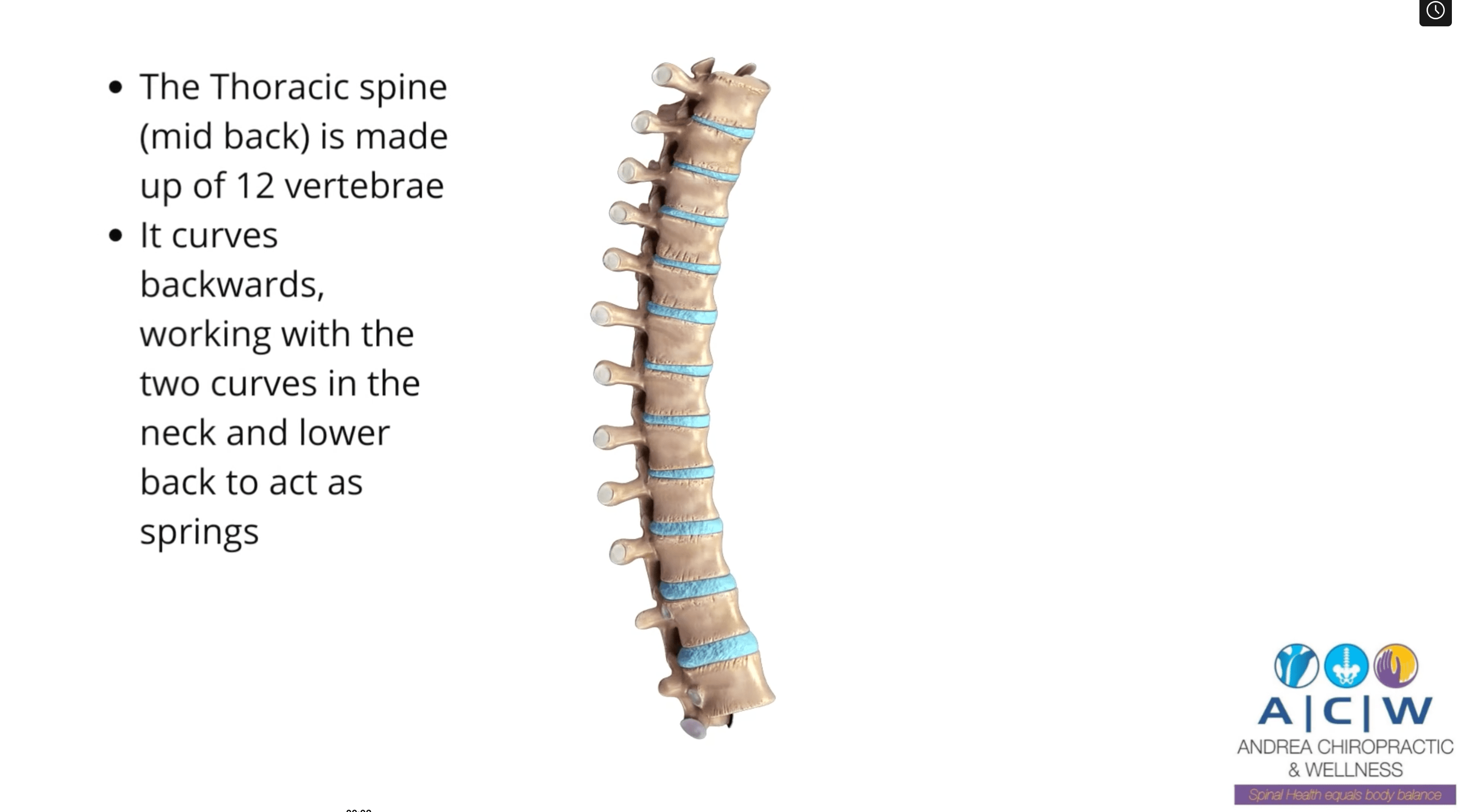
- Thoracic Spine (Mid-Back): Made up of twelve vertebrae attached to your rib cage. This region is designed for stability and protects your vital internal organs, offering a strong structural foundation.
- Lumbar Spine (Lower Back): Consisting of five large vertebrae, your lower back carries the majority of your body weight. It absorbs significant physical stress during lifting, bending, and walking.
Sacrum and Coccyx (Base): These fused bones at the base of your spine anchor it securely to your pelvis, providing a stable platform for your entire body.
The Essential Supporting Structures
Your spine relies on a delicate balance of supporting components to function correctly and keep you moving comfortably.
- Intervertebral Discs: Sitting between each vertebra, these act as essential shock absorbers. They prevent the bones from rubbing together and allow your spine to bend and twist smoothly.
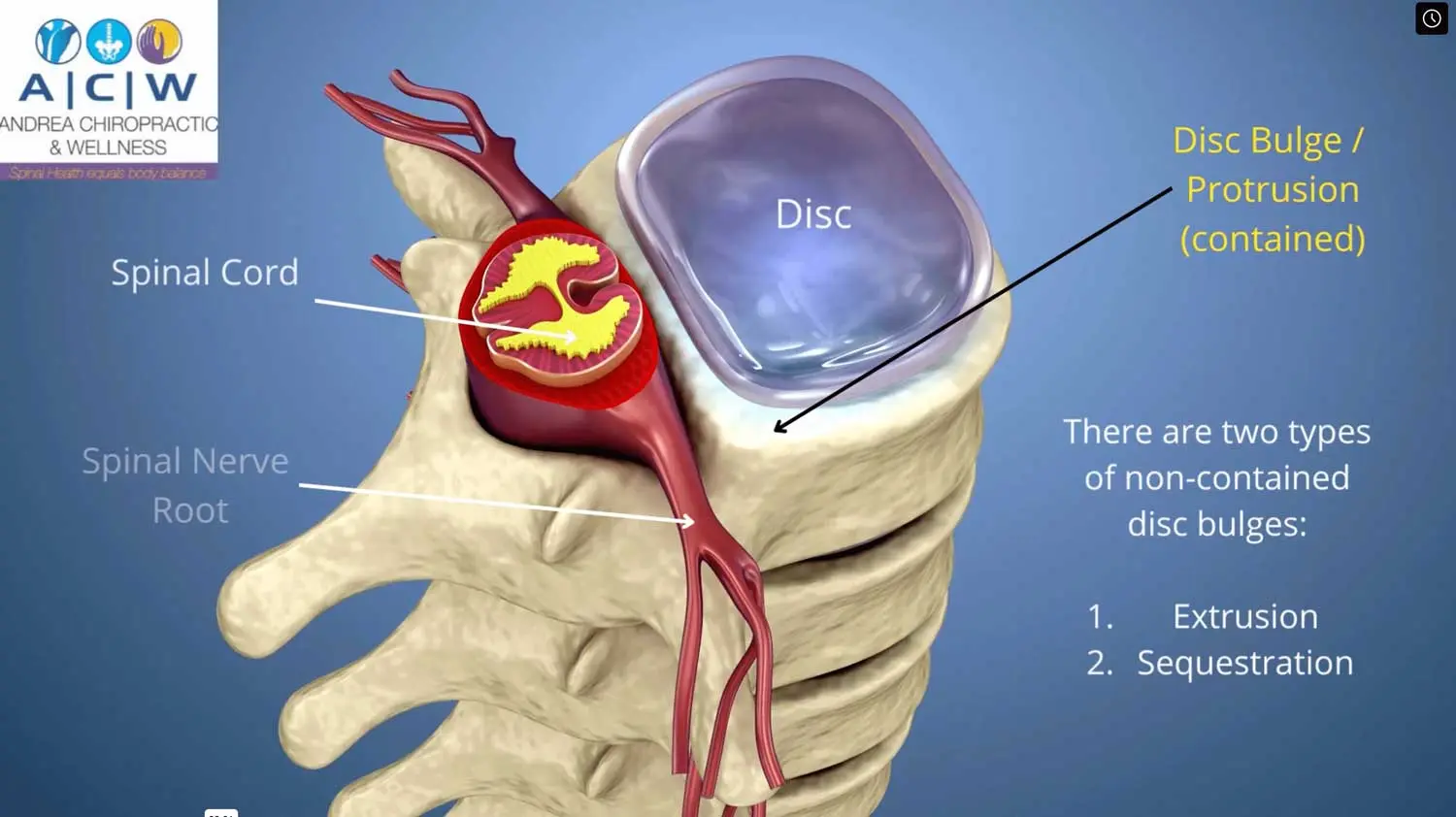
- Spinal Cord and Nerves: Your spine acts as a protective pathway for your central nervous system. Nerves branch out from the spinal cord through small openings between the vertebrae, transmitting vital signals between your brain and the rest of your body.
- Muscles and Ligaments: A complex network of soft tissues surrounds your spine, providing the necessary strength and flexibility to keep you upright and mobile.
Common Signs of Spinal Stress
Everyday activities, poor posture, and physical trauma can put your spine under immense pressure. It is important to listen to your body and look out for these clinical warning signs.
- Persistent stiffness or a noticeable reduction in your range of motion.
- Frequent tension headaches originating from the base of your skull or neck.
- A constant, dull ache or sudden, sharp pain in your lower back.
- Tingling, numbness, or weakness that radiates into your arms, hands, or legs.
Dedicated Care for Your Spinal Health
At Andrea Chiropractic and Wellness, we believe in a proactive, evidence-led approach to your spinal care. We do not simply mask your symptoms. Instead, we take the time to conduct a thorough clinical assessment to identify the root cause of your discomfort.
Our highly trained professionals create personalised treatment programmes tailored specifically to your physical needs. Using gentle, targeted therapies and expert rehabilitation advice, we work to safely restore your mobility, relieve structural tension, and help you achieve sustainable, long-term relief.
Frequently Asked Questions
Understanding your spinal anatomy helps you identify the early signs of postural strain and musculoskeletal stress. When you take the time to get to know your spine, you can make informed, proactive decisions about your physical health and prevent long-term discomfort.
The spine is divided into four primary regions. These are the cervical spine in your neck, the thoracic spine in your mid-back, the lumbar spine in your lower back, and the sacrum and coccyx at the base. Each area plays a vital, specialised role in supporting your body weight and facilitating safe movement.
Your discs act as essential shock absorbers sitting between each bony vertebra. They cushion the joints during daily activities like walking or lifting, allowing your spine to bend and flex smoothly without the bones rubbing together.
Key warning signs include persistent stiffness, a reduced range of motion, dull aches in your lower back, or sudden tension headaches. You may also experience tingling or numbness radiating into your arms or legs, which requires a professional clinical assessment.
We provide tailored, evidence-led treatments to address the root cause of your spinal discomfort. Through gentle therapies and personalised rehabilitation programmes, we help relieve structural tension, safely restore your natural mobility, and support your overall wellbeing.
Get To Know Your Spine
"90% of the stimulation and nutrition to the brain is generated by spinal movement"
Dr Roger Sperry
Your spine is the central pillar of your body. It supports your every movement, protects your delicate nervous system, and plays a vital role in your overall health and wellbeing. Understanding how your spine functions is the first step towards maintaining excellent musculoskeletal health and preventing future discomfort.
The Anatomy of Your Spine
The human spine is a complex and highly specialised structure made up of individual bones called vertebrae. It is divided into distinct regions, each serving a unique clinical purpose.
- Cervical Spine (Neck): Comprising seven vertebrae, this highly mobile section supports the weight of your head and allows for a wide range of motion. It is particularly susceptible to postural strain from prolonged desk work or device usage.
- Thoracic Spine (Mid-Back): Made up of twelve vertebrae attached to your rib cage. This region is designed for stability and protects your vital internal organs, offering a strong structural foundation.
- Lumbar Spine (Lower Back): Consisting of five large vertebrae, your lower back carries the majority of your body weight. It absorbs significant physical stress during lifting, bending, and walking.
Sacrum and Coccyx (Base): These fused bones at the base of your spine anchor it securely to your pelvis, providing a stable platform for your entire body.
The Essential Supporting Structures
Your spine relies on a delicate balance of supporting components to function correctly and keep you moving comfortably.
- Intervertebral Discs: Sitting between each vertebra, these act as essential shock absorbers. They prevent the bones from rubbing together and allow your spine to bend and twist smoothly.
- Spinal Cord and Nerves: Your spine acts as a protective pathway for your central nervous system. Nerves branch out from the spinal cord through small openings between the vertebrae, transmitting vital signals between your brain and the rest of your body.
- Muscles and Ligaments: A complex network of soft tissues surrounds your spine, providing the necessary strength and flexibility to keep you upright and mobile.
Common Signs of Spinal Stress
Everyday activities, poor posture, and physical trauma can put your spine under immense pressure. It is important to listen to your body and look out for these clinical warning signs.
- Persistent stiffness or a noticeable reduction in your range of motion.
- Frequent tension headaches originating from the base of your skull or neck.
- A constant, dull ache or sudden, sharp pain in your lower back.
- Tingling, numbness, or weakness that radiates into your arms, hands, or legs.
Dedicated Care for Your Spinal Health
At Andrea Chiropractic and Wellness, we believe in a proactive, evidence-led approach to your spinal care. We do not simply mask your symptoms. Instead, we take the time to conduct a thorough clinical assessment to identify the root cause of your discomfort.
Our highly trained professionals create personalised treatment programmes tailored specifically to your physical needs. Using gentle, targeted therapies and expert rehabilitation advice, we work to safely restore your mobility, relieve structural tension, and help you achieve sustainable, long-term relief.
Begin Your Recovery Journey
You do not have to live with back or neck pain. Take the first step towards a healthier, more active life. Contact our clinic today to book a comprehensive spinal assessment and discover how we can support your wellbeing.
Frequently Asked Questions
Why is it important to get to know your spine?
Understanding your spinal anatomy helps you identify the early signs of postural strain and musculoskeletal stress. When you take the time to get to know your spine, you can make informed, proactive decisions about your physical health and prevent long-term discomfort.
What are the main sections of the human spine?
The spine is divided into four primary regions. These are the cervical spine in your neck, the thoracic spine in your mid-back, the lumbar spine in your lower back, and the sacrum and coccyx at the base. Each area plays a vital, specialised role in supporting your body weight and facilitating safe movement.
How do intervertebral discs protect my back?
Your discs act as essential shock absorbers sitting between each bony vertebra. They cushion the joints during daily activities like walking or lifting, allowing your spine to bend and flex smoothly without the bones rubbing together.
What are the common signs of spinal distress?
Key warning signs include persistent stiffness, a reduced range of motion, dull aches in your lower back, or sudden tension headaches. You may also experience tingling or numbness radiating into your arms or legs, which requires a professional clinical assessment.
How can chiropractic care improve my spinal health?
We provide tailored, evidence-led treatments to address the root cause of your spinal discomfort. Through gentle therapies and personalised rehabilitation programmes, we help relieve structural tension, safely restore your natural mobility, and support your overall wellbeing.